In this blog pages, i want to write about the trending of automobile industries. So, everyone please! visit my blog pages for knowing about the trending of automobile industries and it products
Be yourself; Everyone else is already taken.
— Oscar Wilde.
This is the first post on my new blog. I’m just getting this new blog going, so stay tuned for more. Subscribe below to get notified when I post new updates.
Circuit House Bangladesh App is one kind of android application of circuit house management system in Bangladesh. Bangladesh government provide their circuit house management service for their government employee. Only, Government employee can booked the room of circuit house in Bangladesh through Circuit House Bangladesh App when they want to move another city for their official work. Minster and Prime Minster also allow to booked room for their official work and their political tour.
Circuit House Bangladesh
In Circuit House Bangladesh App, users can know the number of rooms of circuit house and users also can see in which date which rooms are available and which rooms are not available. User can send the request report through this app. To sum up, it can be said that Circuit House Bangladesh App is an excellent android application in Bangladesh Circuit house Management System.
What exactly can we expect from the future of the auto industry? Smart cars are clearly here to stay, but they’re not quite ready for the average consumer. Based on current tests and trends, we can anticipate new technology we’re likely to see introduced in the near future. Here are 5 future smart car technologies you’re sure to be excited about.
1. Cars that communicate
While humans have been developing new ways to communicate with the world around them and each other, this technology is starting to be developed into the very cars we drive. Wouldn’t it be amazing if your car could communicate with the traffic light ahead to anticipate a stop? Well, this might just happen in the near future.
Smart cars of the future will be better equipped to communicate with the road itself and also with other cars. This can mean life-saving changes in which cars are able to avoid collisions because they’re aware of each other’s locations. This type of communication is known today as V2V or vehicle-to-vehicle communication, and we’re seeing it tested by Ford right now to prevent accidents.
2. Prototyping
While the perfect car of the future doesn’t exist yet, it’s prototype might. Thanks to improvements in prototyping technology like 3D printing, we’re able to see major advancements in the way manufacturers model initial car designs (source: https://www.3erp.com/cnc-machining/).
Gartner reports that BMW and Opel are already utilizing 3D printing within their assembly lines, and this is expected to only increase as a percentage as this method becomes more accessible. Thanks to advanced prototyping, we’re able to see customizable designs and additional testing opportunities.
3. Self-Driving Cars
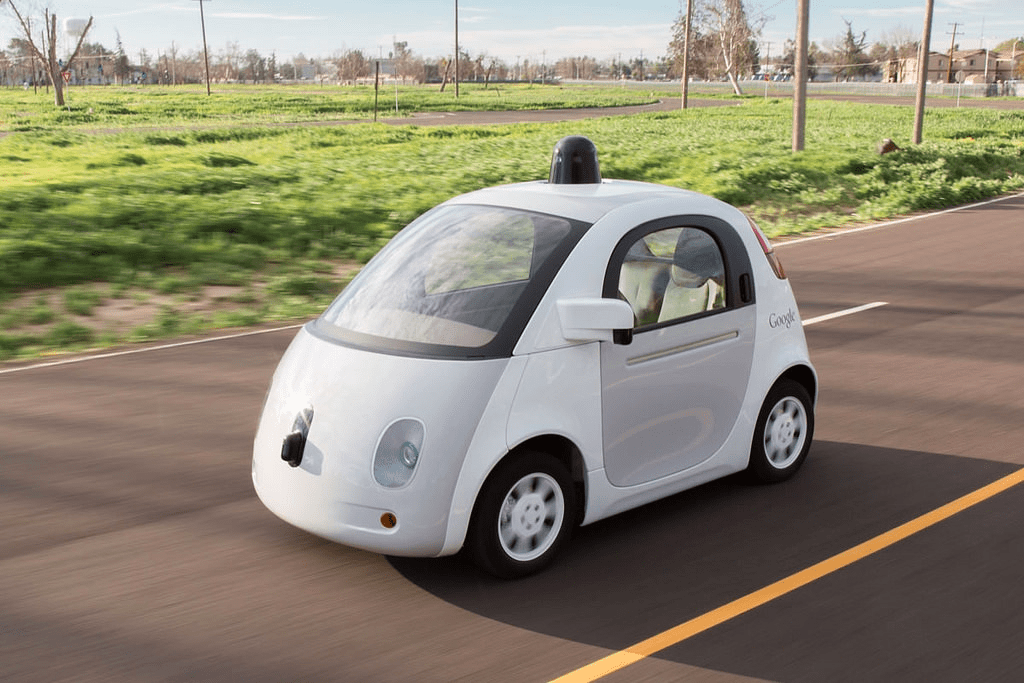
We’ve all seen self-driving cars depicted on the big screen, but they’re set to become a regular part of daily life too. Engineers are already testing self-driving cars using public highways and roads, and Google’s cars are getting closer to perfecting this technology.
While self-driving cars likely won’t be mass produced any time soon, who doesn’t want to skip the stress of sitting in traffic for hours every day? These cars rely on things like lasers, radars, and cameras to understand their surroundings, and that will mean fewer accidents and less traffic.
While displaying information about the car and local area on the windshield might sound like a level in a video game, it’s already a reality. We’re used to things like GPS and Bluetooth becoming a part of our dashboards and in-car experience, but what if things were taken a step further? Known as AR or Augmented Reality dashboards, these will be capable of displaying information about the car itself and also objects nearby.
4. Dashboard and Windshield Displays
Thanks to AR technology, you’ll be able to tell if you’re approaching a car too quickly or if you need to navigate to a different lane to avoid a collision. Finding new ways to keep the driver’s eyes on the road at all time means new safety features like these.
5. Energy Saving Efforts
We all need to be more conscious about how our technology impacts the environment. Luckily, smart cars are taking this initiative on head first by developing new ways to save energy. One such improvement is energy-storing body panels. While electric cars have been utilizing battery power to save on emissions, these batteries are heavy and take up a lot of space within the car. That’s why energy-storing panels are a better option.
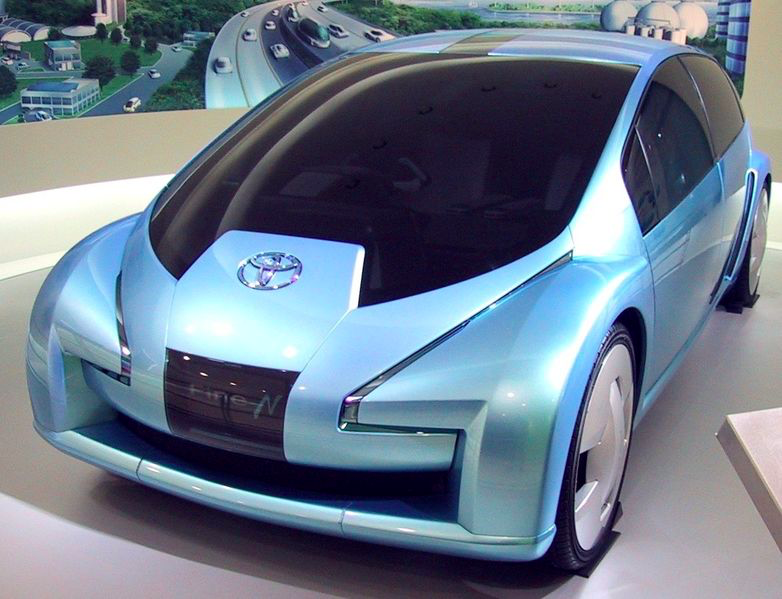
These panels can store energy and charge faster than the batteries seen in cars today. They’re also significantly less heavy, and that leads to more efficient driving. Some of these energy panels are even developed to harness solar power. Toyota is the manufacturer leading this push towards solar powered cars, and it will be exciting to see how these work out in reality.
Cars of the Future
It’s astounding just how rapidly automotive technology is changing. We all know that cars have a large carbon footprint, so finding new ways to combat this while making the road a safer place is a priority for engineers around the globe. These positive changes are a large leap in the right direction. Hopefully, we’ll see these smart advancements above sooner rather than later in our own cars.
8 of the most exciting innovations coming down the road
If you look at a photo of New York City on New Year’s Eve in 1901, you see streets packed with horses and buggies. Fast forward to a photo taken from the same angle in 1914, and there is no trace of the buggies: They had been replaced by automobiles.
After decades of auto technology that had evolved only marginally since the mid-20th century, experts say we’re now seeing a super-fast shift that’s comparable to the industry’s early days. “In the last 30 to 40 years the way cars were manufactured didn’t change much,” says Ozgur Tohumcu, CEO of the car-tech company Tantalum. “But now things are fundamentally changing — and very quickly.”
Quickly, indeed. Here’s a look at some of the cool innovations we’re likely to see in the next generation of cars.
8 Vehicle Innovations Coming Soon
Voice commands for your car
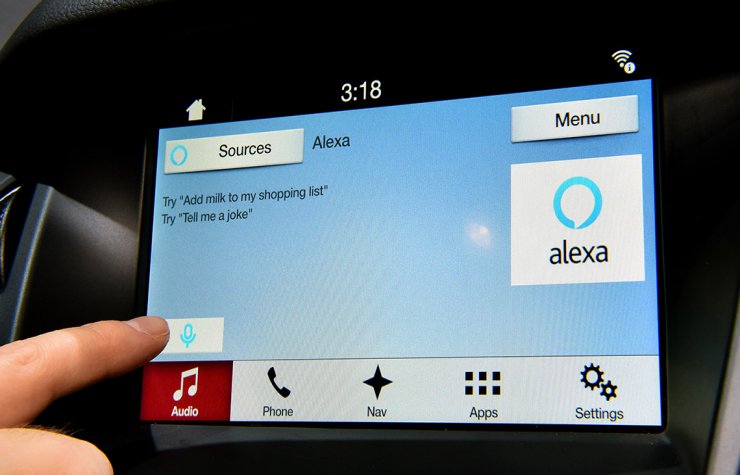
High on the list of innovations is the introduction of Alexa-like personal assistants. “You’ll be able to interact with your car through voice command,” says Tohumcu. One scenario: You might be driving and looking for a parking space. All you’ll have to do is say “Find parking,” and your vehicle will navigate you to the closest, least expensive, safest garage, based on your programmed preferences, and then pay the fee with your credit card.
More map options
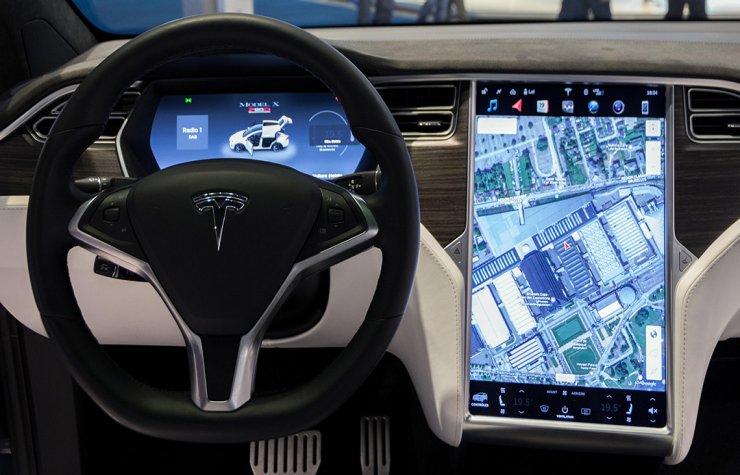
As navigational maps get overlaid with more data, you’ll be able to choose your route based on a broadening array of criteria, including “least polluted.” “People will be taken from point A to point B through better air-quality routes,” Tohumcu says. “If you’re an older person or you have chronic asthma, this becomes a real benefit.” Other possibilities: “safest route” and “most scenic.”
Custom-designed vehicles
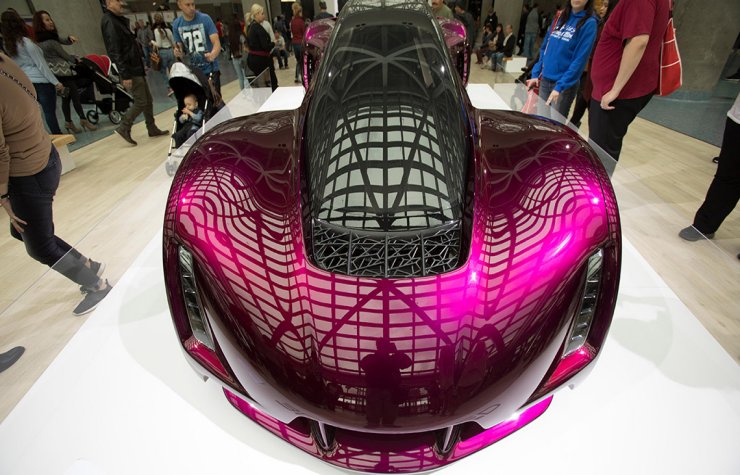
Using 3D printing technology, Arizona-based Local Motors is 3D-printing cars. “They work with pre-determined engine types and 3D print cars on top of those engines,” Tohumcu says. “You can pick and choose features from different cars to create your own.” That means we may see all kinds of interesting-looking cars on the street, he says. “These cars won’t be cheap, but if you really want to stand out it’s one way to go.”
Brain-assisted vehicles
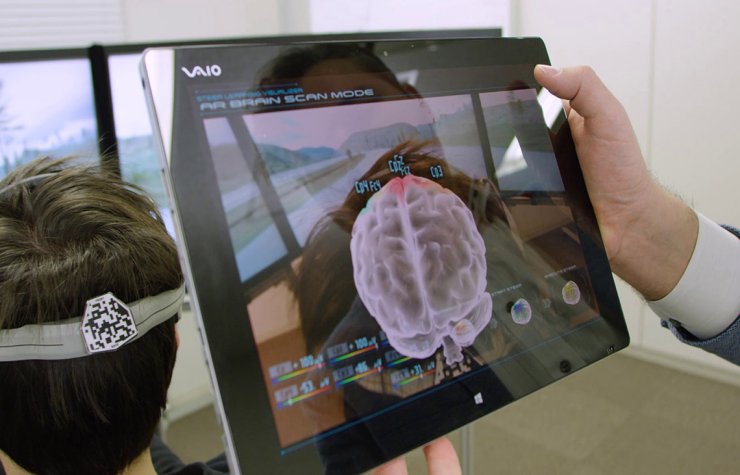
Many crashes could be avoided if the driver had swerved or braked just a tiny bit faster. If Nissan has its way, brain-wave technology will make that possible. By detecting whether a driver is about to perform one of those functions, the brain-to-vehicle technology could speed up the process by up to a half second. The driver will have to wear a headset full of electrodes, which the company is trying to make wireless and as unobtrusive as possible.
Mechanic on wheels
Cars will be able to diagnose their own mechanical problems. “If it’s a software fix that’s needed, you’ll get an upgrade,” Tohumcu says. If you need to take the car to a mechanic, the car will research the options and book itself an appointment. (It will be able to renew its own insurance and look for better deals, too.)
HAIYIN WANG / ALAMY STOCK PHOTO
Shared autonomous vehicles
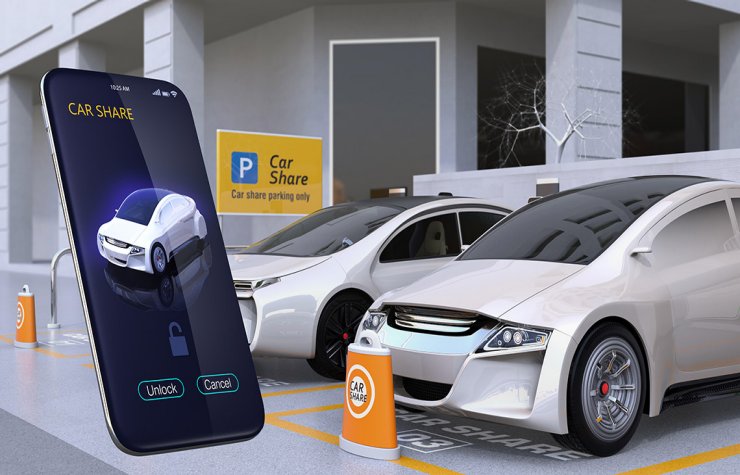
Self-driving cars are already here and doing well in safety tests, says Alan Brown, executive vice president at NuVinAir, an automotive-industry startup, who previously spent 27 years with Volkswagen. The twist he predicts: People will be able to share these cars. “Cars today sit unused 80 percent of the time,” he says. “If the car is self-driving, we have a wonderful opportunity for people to co-own it and pay only for the portion of the car they use.” He sees the potential, in particular, for younger people who may not be able to afford their own vehicle, people with disabilities who aren’t able to drive, and older people who may need to stop driving.
PICTURESBYROB / ALAMY STOCK PHOTO
A doctor in your car
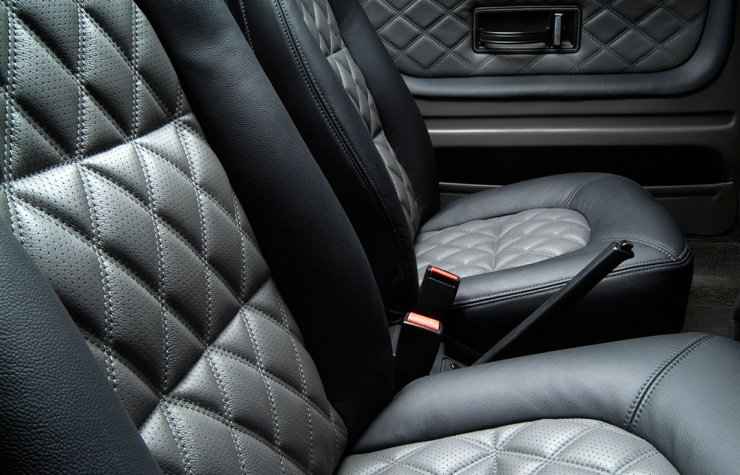
Ford is leading the way toward technology that monitors health from the driver’s seat. The company has already developed an electrocardiography reader that monitors heart function through sensors in the seat that don’t need to touch the skin in order to function. In the works: technology to monitor glucose levels of people with diabetes. People with heart disease and diabetes already monitor their health at home; this technology will enable them to do it from the car.
Intelligent dashboards
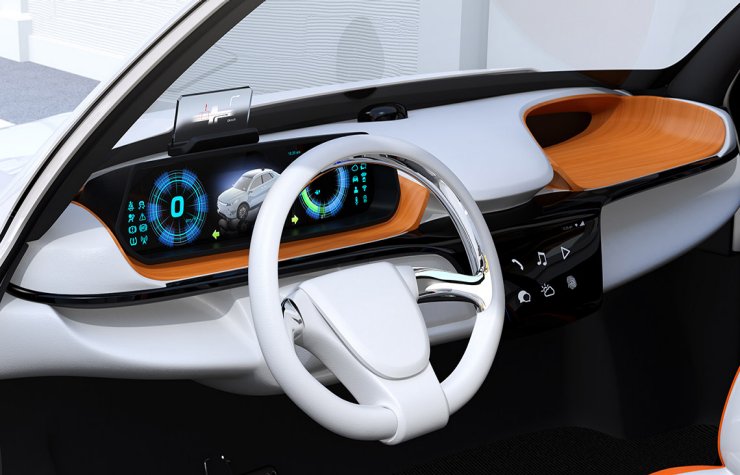
“Augmented reality” dashboards are already a reality in BMW vehicles, but industry experts predict that 70 percent of new cars will incorporate them by 2020. A boon for safety, these features project information such as speed and turn-by-turn directions onto the windshield directly in the user’s field of vision — so there’s no need to take your eyes off the road.
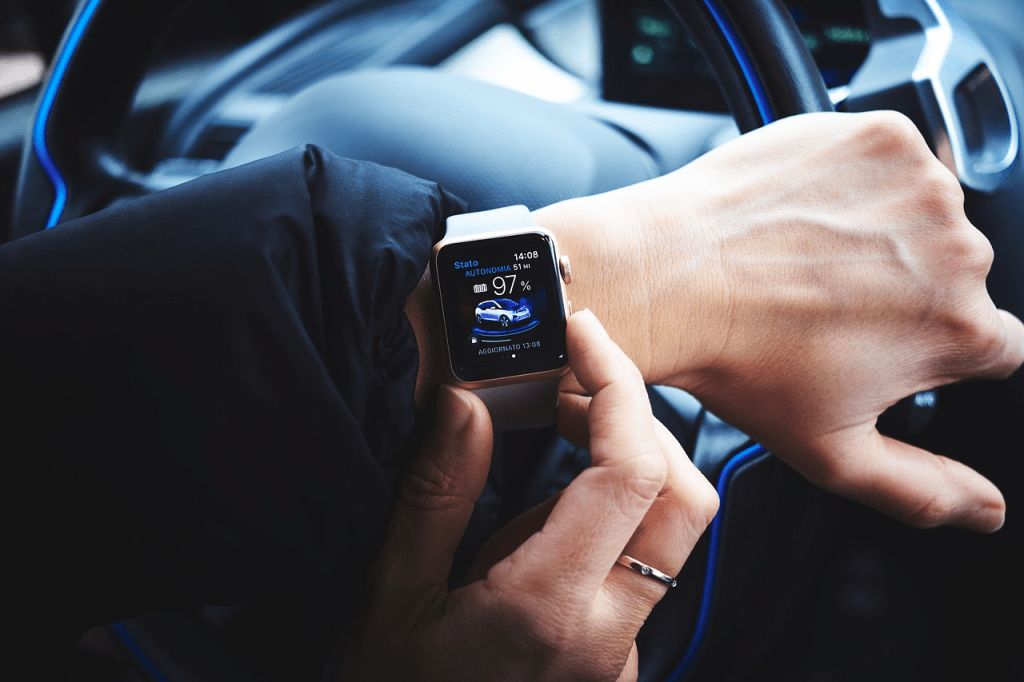
Much like cell phone are now capable of doing more than making calls, cars can do much more than drive and park. In recent years, the automotive industry has worked hand-in-hand with major technology companies in order to deliver the most advanced, safest and most comfortable vehicles out there. Cars are becoming large smart devices with advanced emergency braking capabilities, mapping technology for autonomous driving, better fuel efficiency and cars as a service as a form of transportation.
There are no shortages of ways in which cars are improving the lives of drivers and other vehicles around them in terms of safety, getting from point A to point B with less of a hassle and entertaining us throughout the process. In the coming years, the automotive industry is expected to progress even further, taking us one step closer to more connected and digitized environment. The app Blinker is one such technological advancement that is giving control back to consumers, allowing them to buy, sell and finance cars all on their smartphone.
Here are four of the most groundbreaking technologies you can look forward to in the automotive industry in the near future.
1) More Fuel-Efficient Rides
Tesla is at the forefront of the fuel-efficiency movement, releasing a slew of electric and hybrid vehicles that can take you for hundreds of miles with a single charge. In 2016, more than 2 million electric vehicles were sold worldwide and this figure is expected to rise in the near future as more automotive manufacturers implement electric vehicle technology to their fold. Companies such as VW and General Motors have recently unveiled electric cars to their fleet, while Volvo said that all of the engines they produce will be equipped with an electric motor by 2019.
Electric vehicles are also becoming more affordable, with companies such as Hyundai, Kia and Toyota unveiling hybrid cars under the $30,000 mark, suggesting that investing in fuel efficiency may soon be widely adopted around the globe. In the U.S., 20% to 25% of all vehicle sales are expected to be electric by 2030, while this figure is expected to reach up to 35% in China.
2) Predictive Vehicle Technology
Artificial intelligence (AI) and machine learning (ML) have an important role in the future of the automotive industry as predictive capabilities are becoming more prevalent in cars, personalizing the driving experience. More manufacturers are applying algorithms that use data to automate the process of setting up a vehicle, including a car’s infotainment system and its application preferences. Vehicles are becoming IoT devices which can connect to smartphones and take voice commands, changing the user interface.
Predictive vehicle technology can also be used in the form of sensors within a car that informs the owner whether or not the vehicle needs service from a mechanic. Depending on your car’s mileage and condition, the technology will be able to estimate its performance, set up appointments in real time and inform users of any safety hazards linked with a malfunctioning car due to company recalls.
3) Self-Driving Technology
Much has been made of autonomous driving technology, and while some companies have been testing their self-driving functionalities on open roads, we’re still quite a ways away from widely adopting these cars. A number of cars already have semi-autonomous capabilities in the form of driver-assisted technologies. These include automatic-braking sensors, motorway lane sensors, mapping technology that monitors blind spots, cameras in the back and front of a car, adaptive cruise control and self-parking capabilities.
Google recently revealed the self-driving pod Waymo, while Local Motors released a fully-autonomous vehicle as well. Ford hopes to have a self-driving vehicle on the roads by 2021.
4) Cars-as-a-Service (CaaS)
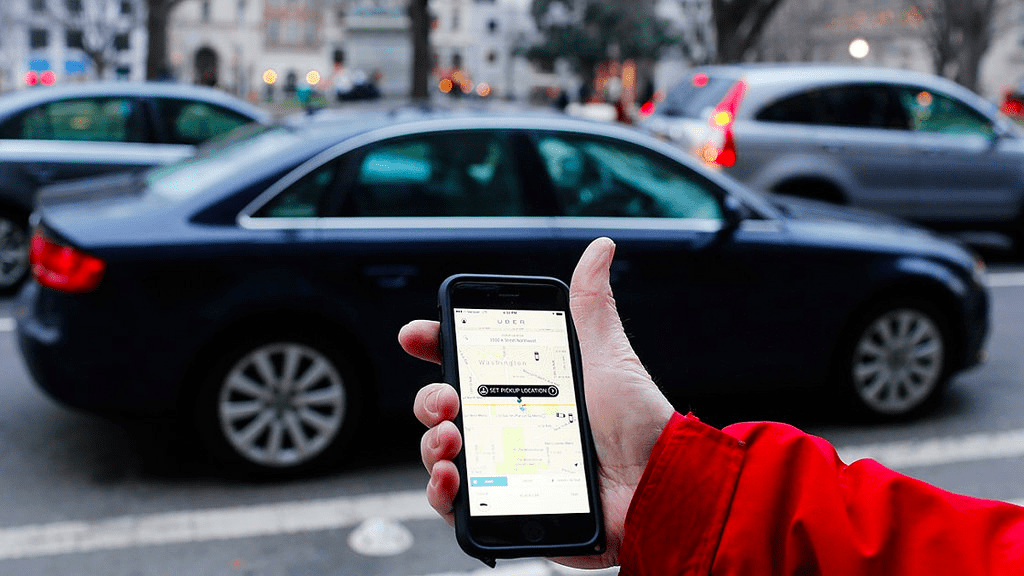
Cars-as-a-service (CaaS) refers to an upcoming car rental service that allows city drivers to engage in a ride-sharing service. Smart device owners can hail a car with driverless technology through an app, which picks them up for their transportation or delivery needs. The great thing about the technology is that no driver’s license is needed to access one of these vehicles, serving as a driverless Uber.
IHS Automotive predicts that driver less CaaS are on the horizon, expected to roll out before 2025. Such a technology could help to reduce mobility services costs, while also offering a safer alternative to a human driver.
This is an example post, originally published as part of Blogging University. Enroll in one of our ten programs, and start your blog right.
You’re going to publish a post today. Don’t worry about how your blog looks. Don’t worry if you haven’t given it a name yet, or you’re feeling overwhelmed. Just click the “New Post” button, and tell us why you’re here.
Why do this?
Because it gives new readers context. What are you about? Why should they read your blog?
Because it will help you focus you own ideas about your blog and what you’d like to do with it.
The post can be short or long, a personal intro to your life or a bloggy mission statement, a manifesto for the future or a simple outline of your the types of things you hope to publish.
To help you get started, here are a few questions:
Why are you blogging publicly, rather than keeping a personal journal?
What topics do you think you’ll write about?
Who would you love to connect with via your blog?
If you blog successfully throughout the next year, what would you hope to have accomplished?
You’re not locked into any of this; one of the wonderful things about blogs is how they constantly evolve as we learn, grow, and interact with one another — but it’s good to know where and why you started, and articulating your goals may just give you a few other post ideas.
Can’t think how to get started? Just write the first thing that pops into your head. Anne Lamott, author of a book on writing we love, says that you need to give yourself permission to write a “crappy first draft”. Anne makes a great point — just start writing, and worry about editing it later.
When you’re ready to publish, give your post three to five tags that describe your blog’s focus — writing, photography, fiction, parenting, food, cars, movies, sports, whatever. These tags will help others who care about your topics find you in the Reader. Make sure one of the tags is “zerotohero,” so other new bloggers can find you, too.



 Future Car Technology